Home · Services · Emergency HVAC Service
Emergency HVAC Service in Lancaster, PA
Quick answer
Emergency HVAC triage in Lancaster, safety first and cold snap vulnerability ranked honestly.
Emergency HVAC in Lancaster is triaged by season and by safety: a fuel smell or a tripped safety is a stop and call the utility situation before it is a repair ticket, and a no heat call in a January cold snap with elderly residents outranks every comfort call in the county. The sequence is stated plainly at booking, not improvised at the door.
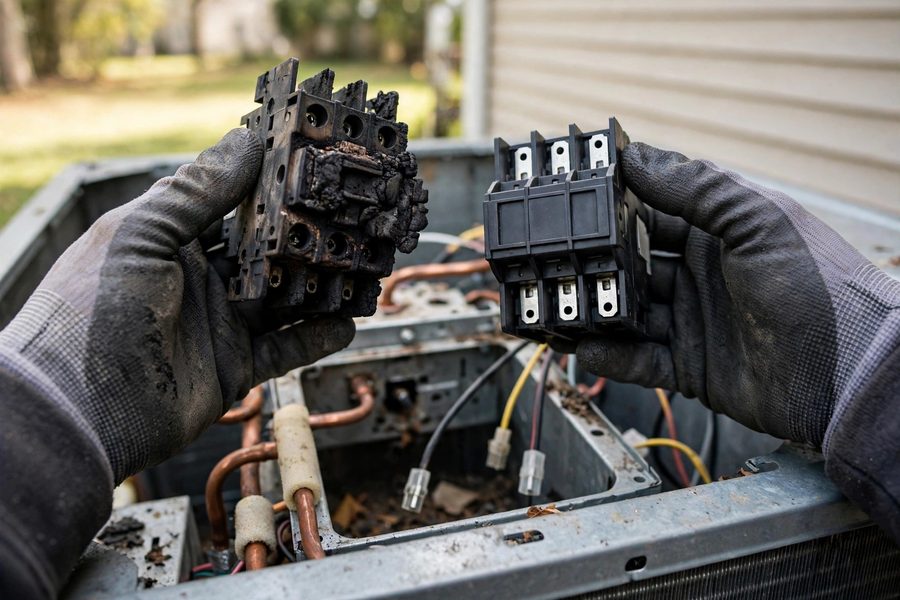
Signs you need emergency hvac service
- No heat with overnight lows in the teens or single digits
- No cooling during a heat wave with vulnerable people in the home
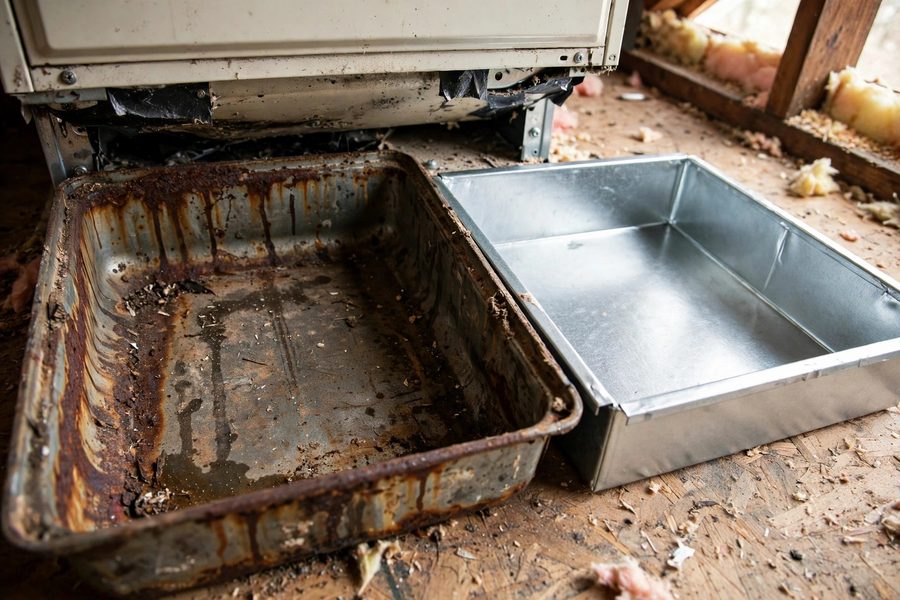
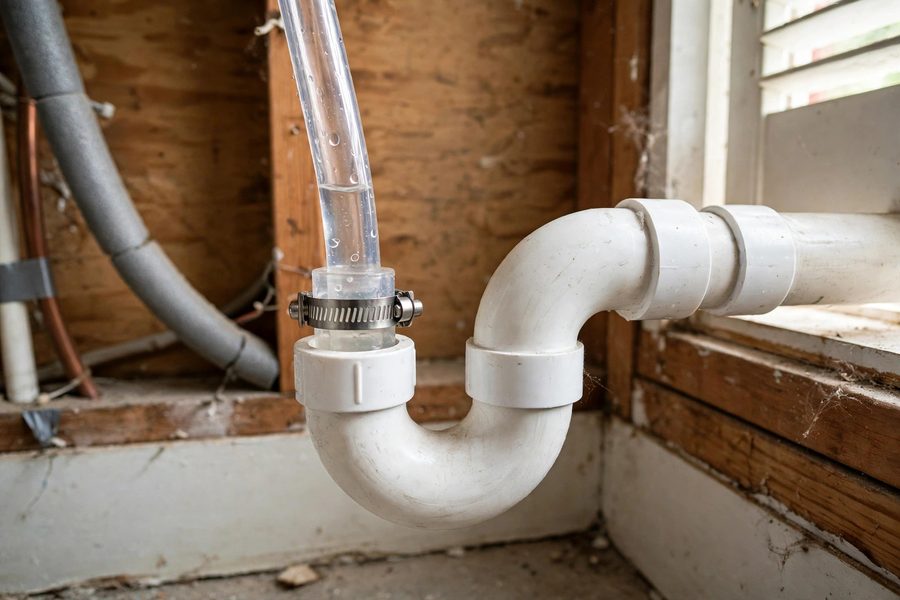
- Water pouring from an air handler or a condensate overflow
- A breaker that trips again every time the system starts
- Burning electrical smell at the unit or the vents
What the job involves
What affects the price
- Time of day and day of week; after hours rates are stated before dispatch, not discovered on the invoice
- Component failed and whether it is a stocked truck part
- System age, which decides whether an emergency repair is sound money or a bridge to replacement
- Weather severity, which sets the triage order across the whole call board
When it is an emergency
This page is the emergency, and its first rule is the exception: gas smell or a sounding carbon monoxide alarm is not an HVAC call, it is an evacuation and a utility or 911 call. Everything else on this page (no heat in deep cold, no cooling in dangerous heat, water pouring, breakers tripping) is a call now, and saying who is in the house helps the dispatcher order the board honestly.
PLACEHOLDEREmergency HVAC Service across the Lancaster area
Related services
AC Repair
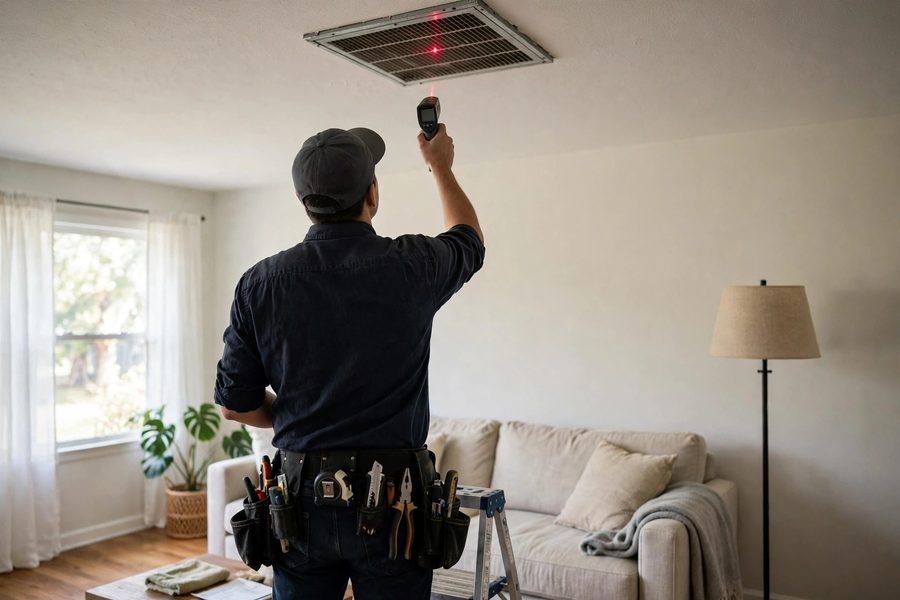
AC repair in Lancaster that reads humidity and runtime beside temperature.
Furnace & Heating Repair
Furnace repair in Lancaster by fuel first, oil, gas, and heat pump diagnosed on their own terms.
Ductless Mini-Split Installation
Ductless mini splits for Lancaster stone farmhouses, row home attics, and sunrooms.
HVAC System Replacement
System replacement in Lancaster with the fuel path and venting inside the written scope.
Emergency HVAC Service questions, answered
When is emergency hvac service an emergency?
This page is the emergency, and its first rule is the exception: gas smell or a sounding carbon monoxide alarm is not an HVAC call, it is an evacuation and a utility or 911 call. Everything else on this page (no heat in deep cold, no cooling in dangerous heat, water pouring, breakers tripping) is a call now, and saying who is in the house helps the dispatcher order the board honestly.
What affects the price of emergency hvac service in Lancaster?
The main price factors for emergency hvac service are covered in the cost section above. The contractor confirms the exact price in a written estimate after seeing the job, and nothing is owed until you approve it. The call and the referral are free.
My AC runs but will not cool the house. What are the usual causes in Lancaster?
In order of how often they are found: a clogged filter or blocked airflow, a failed capacitor or fan component, low refrigerant from a leak (refrigerant is not consumed; low means leaking), a frozen coil from any of the above, and duct failures dumping cooled air into the attic. Runtimes of many hours without reaching the set point are the classic forum complaint and they sort into the same list. Turn a frozen system off and run the fan to thaw it, and never approve a refrigerant recharge without a leak search; topping off a leaking system is a subscription, not a repair.
My furnace clicks but will not start. What is failing?
The furnace starts in a sequence, and clicking without heat means one step failed: the inducer proves the vent, the igniter glows or sparks, the gas valve opens, and the flame sensor proves flame. A sensor filmed with oxide, a cracked igniter, and a failing inducer motor are the common findings, roughly in that order, and each is a part level repair. What it is not, usually, is the thermostat. If you smell gas at any point, stop: leave, and call the gas utility or emergency services before any repair call.
Repair or replace: my system is 15 years old. How do I decide?
Use the arithmetic the trade uses: multiply the repair quote by the system's age in years. Past roughly 5,000, replacement usually wins; well under, repair usually wins. A $400 repair on a 15 year old system (6,000) sits on the line; a $1,800 compressor on the same system (27,000) is well past it. Add the condition evidence: refrigerant type on older cooling systems, duct condition, and whether this is the first major repair or the third. Any company should show you both prices in writing; a replacement pitch without a repair price is a sales call, not a diagnosis.
Request a callback
Prefer to talk later? Leave your details and an independent local pro will call you back. No charge to you, no obligation.
Conestoga Heating and Air is a free referral service. Submitting this form connects you with independent local contractors who provide the work.